Essential Tips for Cut Flower Care
Posted on 14/09/2025
Essential Tips for Cut Flower Care
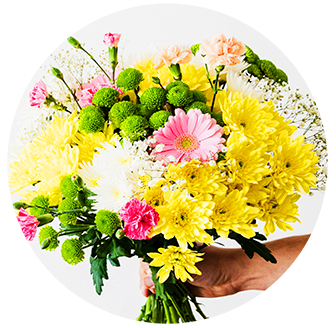
Nothing elevates a room like a bouquet of fresh-cut flowers. Their vibrant colors, delicate textures, and subtle fragrances can transform any space and improve your mood. However, enjoying a bouquet of fresh blooms depends on how well you care for them after bringing them home. In this guide, discover effective and essential tips for cut flower care to extend the life and beauty of your floral arrangements.

Why Is Proper Flower Care Important?
Proper cut flower care does much more than make your bouquet last longer--it preserves the radiance, scent, and overall health of your blossoms. When you pay attention to a few simple principles, you:
- Prevent premature wilting and browning.
- Reduce the risk of bacterial growth in vase water.
- Enhance the visual appeal of your arrangements.
- Maximize your investment in beautiful blooms.
1. Start with Healthy, Fresh Flowers
Freshness is key! Always select blooms with perky petals, vibrant colors, and upright stems. There are a few signs to look for when choosing store-bought or garden-cut flowers:
- Firm stems: Avoid any that feel slimy or soft at the bottom.
- Green foliage: Leaves should be lush, not yellowing or droopy.
- Tight Buds: Some flowers, like lilies or tulips, do best when purchased as tight buds, as they will open beautifully over time.
- Absence of bruises or tears: Damage to petals or stems can accelerate wilting.
Pro Tip: Cut Flowers in the Morning
If you're harvesting from your own garden, cut in the early morning when temperatures are cool and stems are filled with water. Avoid mid-day heat, as it robs flowers of their natural moisture and can lead to faster wilting.
2. Trim Stems Correctly
Stem preparation is a crucial step in cut flower maintenance. When you bring flowers home, always give them a fresh cut before arranging them in a vase.
- Use sharp, clean scissors or garden shears to prevent crushing stems.
- Cut at a 45-degree angle - This increases the surface area, allowing for better water uptake.
- Remove 1-2 inches from the base, even if the stems were freshly cut at the shop. This removes any dried or blocked tissue that could impede water flow.
- Re-cut stems every few days for optimal freshness.
Special Stem Tips
- For woody-stemmed flowers (like roses or lilacs), gently smash the ends with a hammer to increase water absorption.
- Delicate stems (such as daffodils or tulips) should be cut under water to avoid stem-end air bubbles, which can block water uptake.
3. Remove Excess Foliage
Before arranging your blooms, strip any leaves or greenery that would sit below the water line in your vase.
- Leaves left underwater decompose quickly, releasing bacteria that cloud the water and hasten the decay of flowers.
- Less foliage also means more energy to keep blossoms vibrant and lush.
4. Use Clean Vases and Fresh Water
Keeping bacteria at bay is one of the most important aspects of vase flower care. A dirty vase harbors microbes that attack flower stems, causing droopiness and foul odors.
- Wash your vase with hot, soapy water, and rinse thoroughly to remove soap residue before every use.
- Fill the vase with fresh, cool to lukewarm water. Avoid hot water, which can shock delicate flowers, and ice-cold water, which may slow water uptake.
- Change the water every 2-3 days. Top up with clean water in between, especially if you notice it becoming cloudy.
Preventing Bacterial Growth
If you want to go a step further, regularly sprinkle a pinch of baking soda or a few drops of bleach into your vase to slow bacterial growth. However, never mix bleach and flower food, as this can harm your flowers.
5. Feed Your Flowers
Just like any living thing, cut flowers need nourishment. Most florists provide a packet of flower food with every bouquet. This powder is specially formulated to:
- Feed the blooms with essential sugars that prolong freshness.
- Inhibit bacterial growth with mild disinfectants.
- Balance pH levels
DIY Flower Food Recipe
No flower food packet? No problem! Make your own by mixing:
- 1 teaspoon sugar
- 1 teaspoon white vinegar
- 1/2 teaspoon household bleach (optional, for bacteria control)
- 1 quart of water
Mix well and use this homemade solution every time you change the water.
6. Arrange Flowers Wisely
Proper arrangement isn't just about aesthetics--it impacts longevity too.
- Give flowers space--avoid overcrowding, which reduces airflow and speeds up decay.
- Vary stem lengths so taller stems are always in the center and shorter ones towards the edges.
- Avoid placing large, heavy-headed flowers atop fragile blooms, as this can snap stems or crush petals.
- Mix flowers with supportive, long-lasting greens like eucalyptus or ivy for added volume and structure.
Mix and Match with Care
Not all flowers play well together. For example, daffodils excrete a substance toxic to other cut flowers. Keep them in a separate vase for the first 12-24 hours after cutting, then rinse stems thoroughly before integrating with other blooms.
7. Keep Flowers Cool and Out of Direct Sunlight
Temperature is one of the main factors affecting cut flower freshness. Keep bouquets:
- Away from direct sunlight, heaters, and radiators, which can cause blooms to wilt rapidly.
- In a cool, draft-free area. Kitchens, which tend to be warm and humid, are not always ideal.
- Far from ripening fruit--apples, bananas, and other fruit release ethylene gas, which speeds up flower aging.
Ideal Room Temperature for Cut Flowers
Most cut flowers thrive around 18-22?C (65-72?F). Lower nighttime temperatures extend their life further, so consider placing bouquets in a cool room after dark.
8. Re-cut Stems and Remove Wilting Blooms Regularly
As days go by, stems become blocked and water absorption diminishes. Every 2-3 days:
- Trim 1/2 to 1 inch off all stems at a diagonal angle.
- Remove any fading or browning flowers immediately. This prevents ethylene buildup and stops mold from spreading to healthy flowers.
Prolonged care ensures you can enjoy beautiful arrangements for over a week, and for some robust varieties, up to two weeks!
9. Special Care for Different Types of Cut Flowers
Not all blooms have the same requirements. Here's a quick guide to some popular cut flowers:
- Roses: Remove thorns and leaves below the waterline. Re-cut under water and avoid overcrowding.
- Tulips: Prefer cool water and can 'grow' in the vase. Secure taller stems within arrangements as they bend toward light.
- Daffodils: As mentioned earlier, keep separate for the first day due to their toxic sap.
- Lilies: Remove pollen-laden stamens to prevent stains and prolong bloom life.
- Carnations: Very long-lasting--remove just wilting outer petals ("petal shucking") to keep fresh.
Exotic Cut Flower Care
Orchids, proteas, and other tropicals appreciate warmer water and higher humidity. Mist the petals gently and keep out of cold drafts for maximum longevity.
10. Reviving Droopy Flowers
Sometimes, your bouquet may start to wilt despite your best efforts. Here's how to revive cut flowers that are drooping:
- Re-cut stems and immediately place them in tepid water for an hour.
- For tough or woody stems, submerge them (including leaves and heads) in water for 30-60 minutes.
- Spray petals lightly with water to help them recover hydration.
- Change the water and add fresh flower food before placing the revamped bouquet back in its place.
A little care can bring your favorite flowers back to life, ensuring you enjoy your bouquet to the very last petal!

Frequently Asked Questions about Cut Flower Care
How often should I change the water for my cut flowers?
Ideally, every 2-3 days. Clean water is one of the most important factors in extending your bouquet's lifespan.
Do cut flowers need sunlight?
No. Most cut flowers do best in indirect light or shade. Direct sunlight speeds up wilting and shortens their life.
Is flower food really necessary?
Absolutely! Floral preservatives extend the life of your bouquets by providing nutrition and preventing microbial growth.
Conclusion: Making the Most of Your Cut Flowers
With these essential tips for cut flower care, you can enjoy blossoming bouquets longer and brighter than ever before. Start with fresh, healthy flowers, trim and clean diligently, change water regularly, avoid direct sun and fruit, and feed your flowers properly. Each step will strengthen your arrangements and ensure they remain vivid and beautiful for days--and sometimes weeks--after you bring them home.
Now that you know how to take care of cut flowers, you can fill your home with the splendor of nature, making any ordinary moment extraordinary.
Happy flower arranging!
Latest Posts
Essential Tips for Cut Flower Care
Achieve Vibrant Poinsettias that Last Through the Holidays
Explore How Vibrant Flowers Can Enhance Your Mood and Life Satisfaction